Linking complex communities and evolutionary biology

The Tremble mycology lab at the University of Illinois Urbana-Champaign studies the evolutionary ecology of soil fungi. How do complex forms and functions evolve across the landscape and persist with communities?

About the lab

Fungi are understudied, essential, and extraordinarily diverse.

The soil beneath a single tree harbors hundreds of fungal species, each with a distinct evolutionary history and functional role. The Tremble Lab uses metatranscriptomics, population genomics, and field ecology to understand how rhizosphere fungi partition functional niches, and how that diversity arises, persists, and shifts across environmental gradients. Our long-term goal is a trait-based framework linking microbial function to forest health, diversity, and resilience under a changing climate.

Explore current projects   Join the lab

What we work on

Investigating cryptic fungal ecology from diverse scales
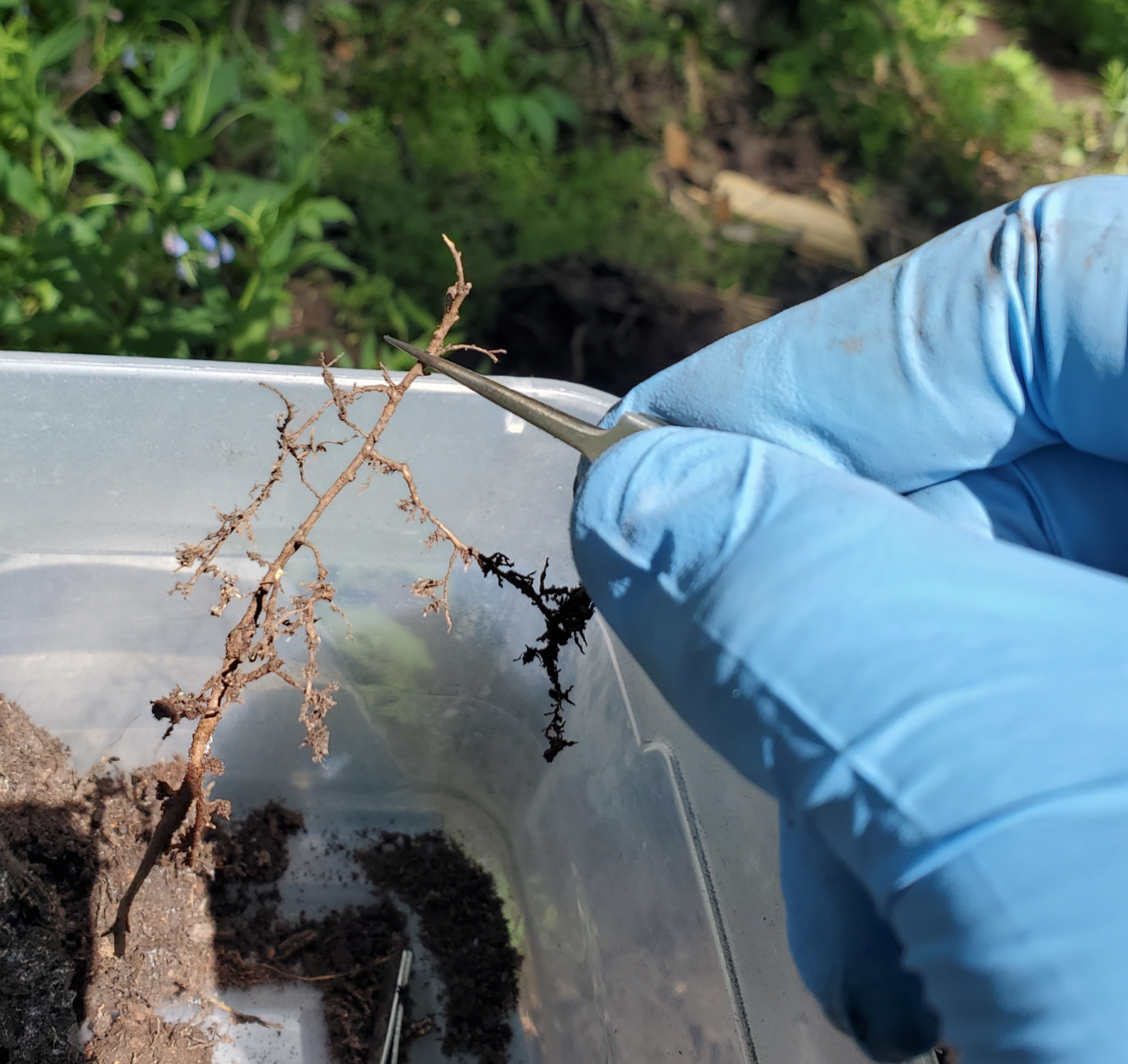
Plant soil microbiome

Functional roles in the plant–soil microbiome

Genome-resolved metatranscriptomics of natural Populus communities: linking gene expression to to investigate niche partitioning and molecular function of soil fung
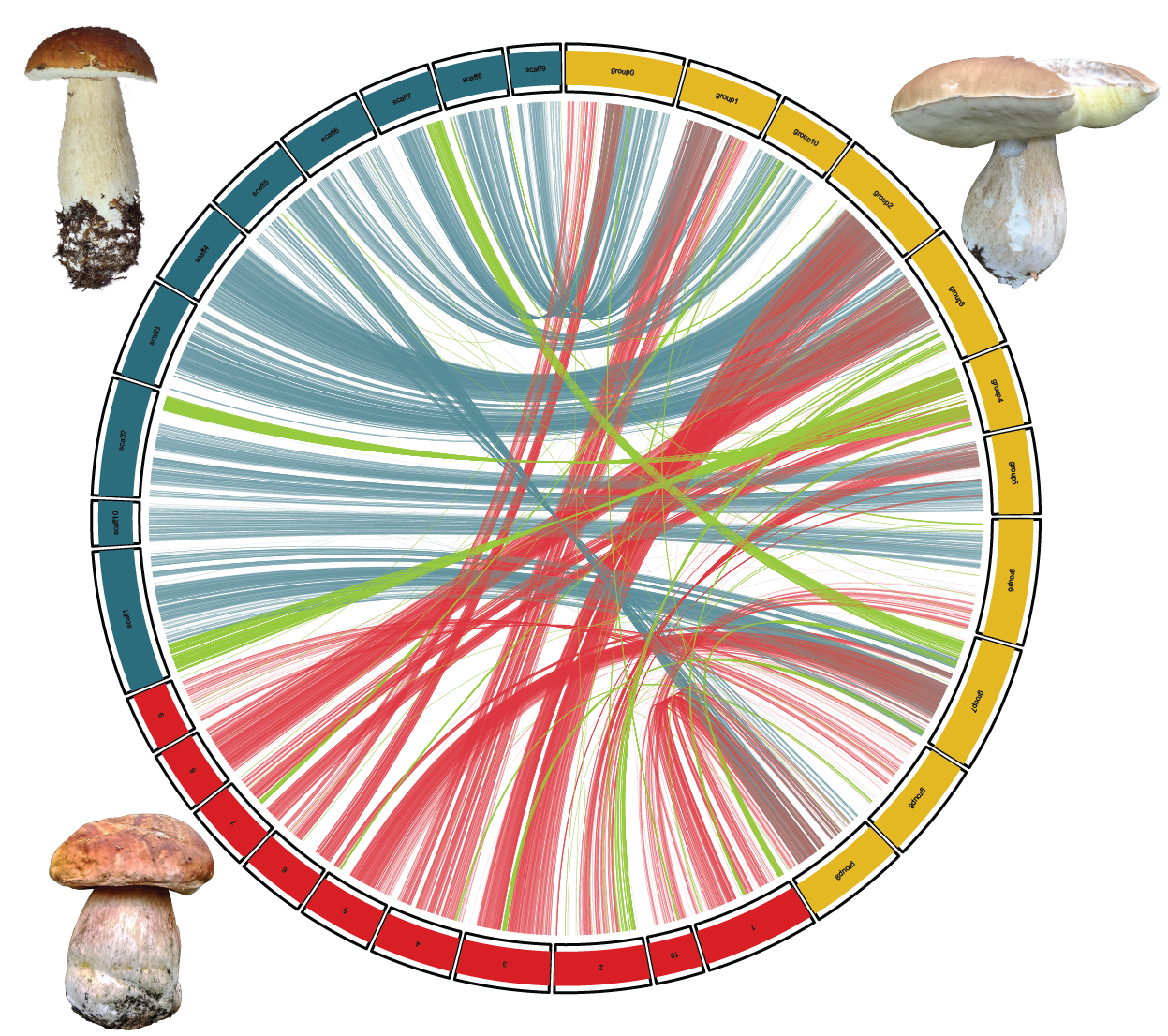
Laccaria bicolor

Evolution across the landscape

Population and pan-genomics of Boletus edulis, Laccaria, and other diverse soil fungi to understand how molecular toolkits track climate, soil, and host.
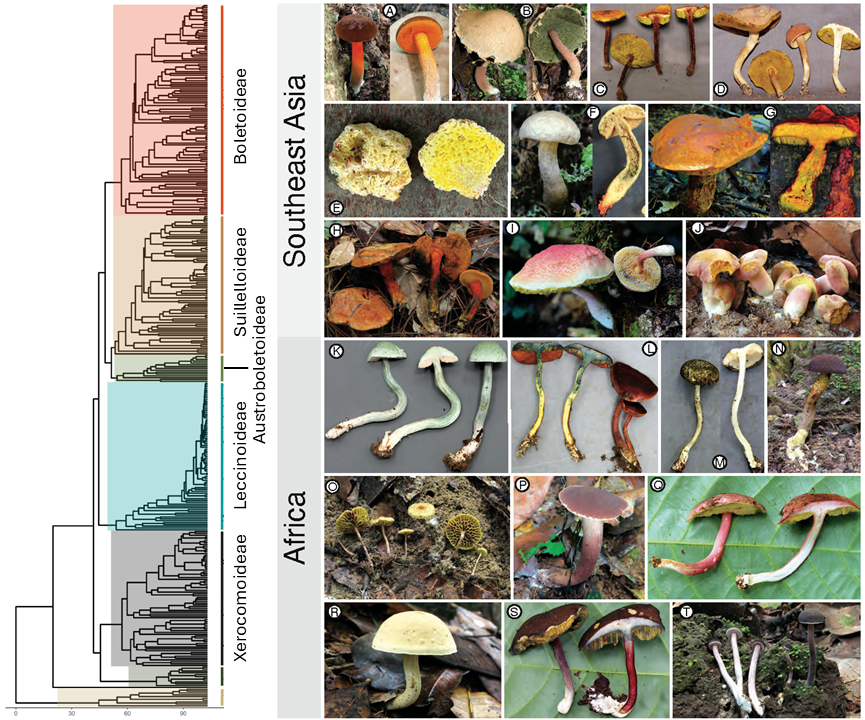
Boletaceae diversification

Deep-time diversification

Phylogenomics of the porcini family Boletaceae; how 150+ million of years divergence has shaped the ecology and morphology of fungi we see today.

Join us

The lab is recruiting.

We're looking for graduate students, postdocs, and undergraduates who are curious about fungi, comfortable with field and bench work, and excited to ask big questions.

See open positions